
Research
Return To Play Outcome Measures and Criteria Research
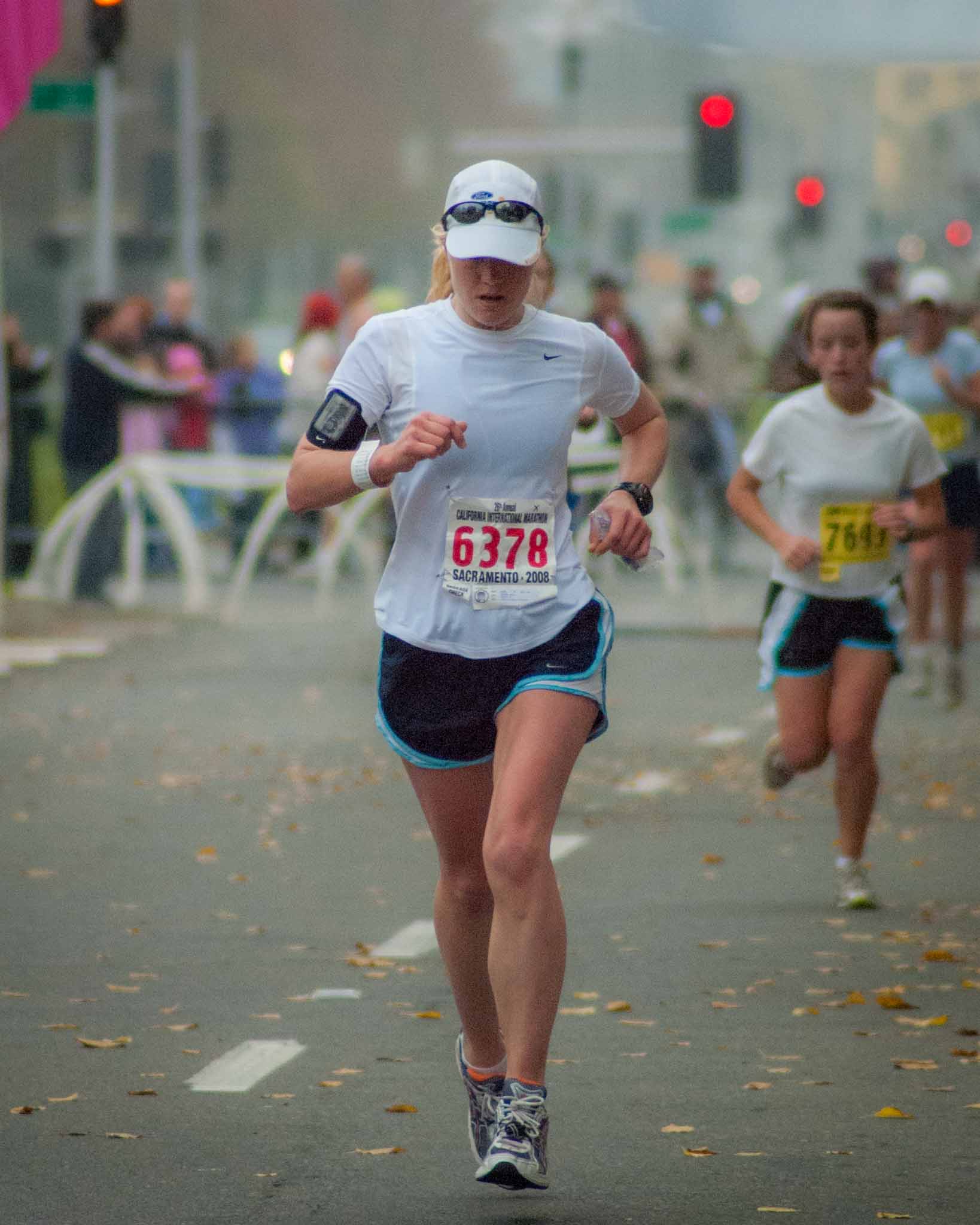
Return-to-Play (RTP) Criteria Development: Examining outcome measures and protocols for athletes recovering from postoperative procedures and major injuries across all body regions, addressing the critical lack of uniform sports medicine RTP methodology and standards to optimize safe reintegration.
Foot Assessment and Performance Research
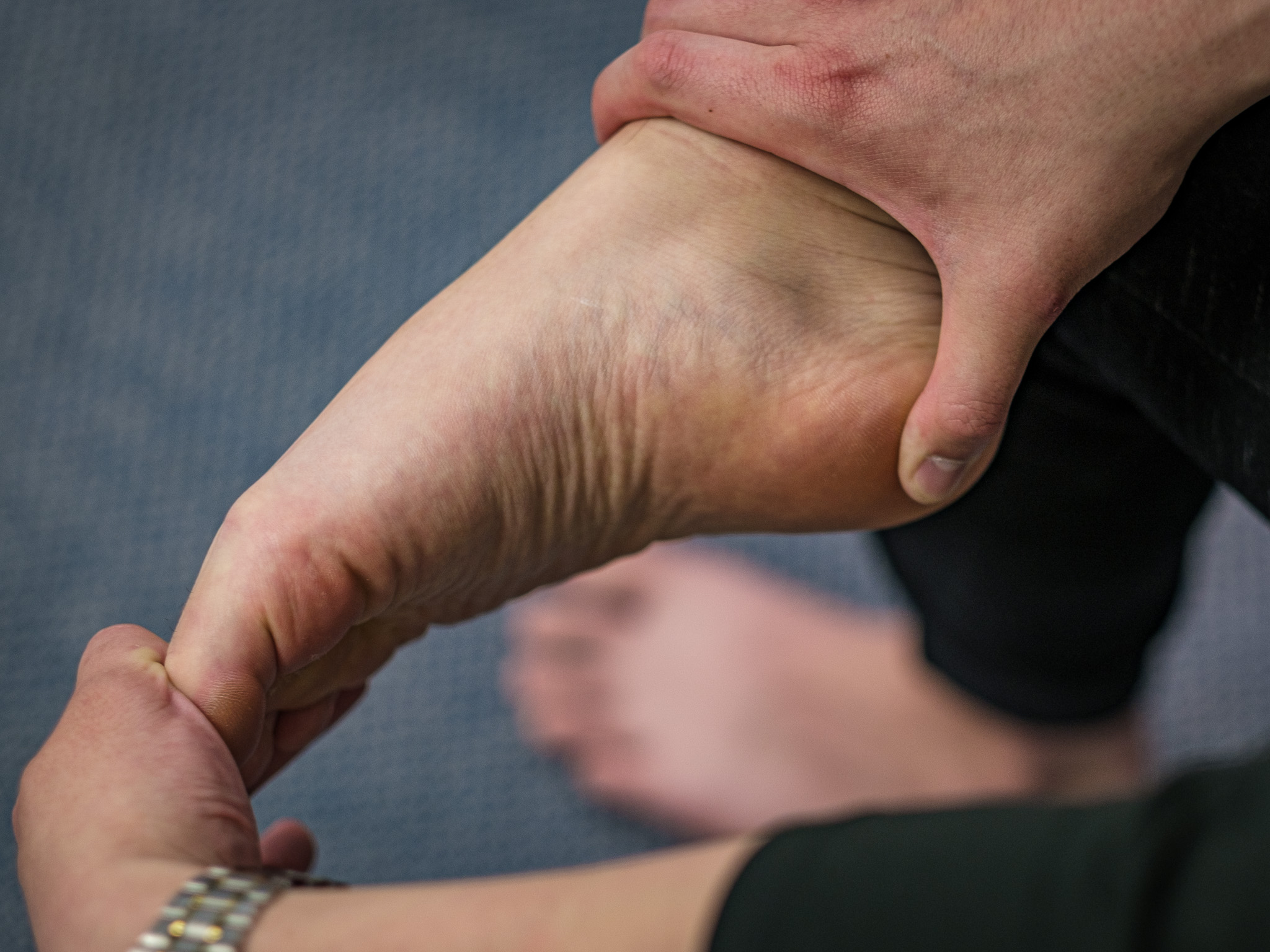
One of the main research areas of the WesternU SPORT Lab investigates the biomechanics of lower extremity structures, particularly the plantar fascia and forefoot dynamics, in individuals with and without plantar fasciitis—the most common cause of heel pain—to better understand orthopedic assessment reliability and rehabilitation strategies. Key studies demonstrate that metatarsophalangeal (MTP) joint extension significantly alters ultrasound measurements of plantar fascia thickness (e.g., decreasing by 0.4–0.6 mm from rest to maximal extension), highlighting the need for standardized protocols in clinical diagnostics and intervention efficacy tracking, while also revealing gender differences where males with plantar fasciitis exhibit thicker plantar fasciae than females. Complementary work examines postural sway and gait alterations (e.g., elevated ground reaction forces and early toe-off in affected limbs), linking these deficits bilaterally even in unilateral cases to potential risk factors like pretibial muscle weakness. Future studies will extend this focus to toe strength assessment, exploring correlations between toe flexor/extensor force and athletic and general gait performance metrics, while also identifying preventative strategies for various foot and more proximal pathologies.
Shoulder Movement and Pathology Research
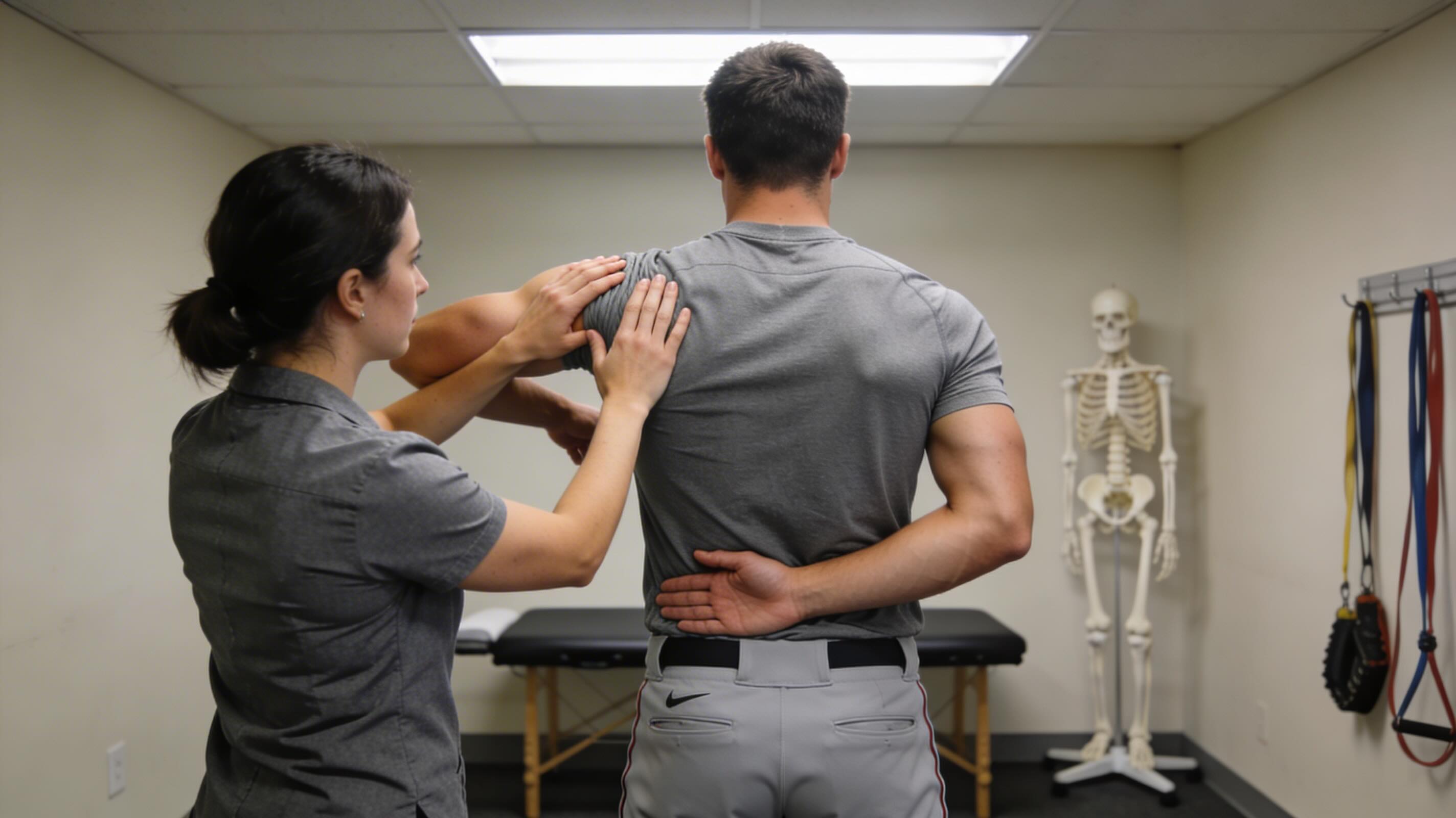
Shoulder Range of Motion Analysis (SROMA) : Investigating how less commonly studied shoulder ROM dynamics can uncover novel biomechanical mechanisms underlying pathology in athletes and clinical patients, informing examination procedures and targeted interventions.
Exploratory Theory Generation Research

The WesternU SPORT Lab fosters an unconstrained intellectual environment resulting in unrestricted theory-building that may even transcend traditional sports medicine boundaries. Liberated from conventional performance, orthopedics, or rehabilitation constraints, fearless hypothesis development with proper mentoring can drive meaningful projects with profound impact in a variety of industries and fields. For example, can understanding a historical review of the clinical efficacy of static magnetic fields help us distinguish between evidence-based clinical modalities from pseudoscientific fads and misleading trends in contemporary research today. Another example may include the purposing of elements from advanced sports analytics to similar applications in postgraduate admission procedures in an effort to better evaluate applicants prior to graduate school. These examples, while not typical of sports medicine, embody the lab’s interdisciplinary approach to theory-building, creating a fertile ground for original research ideas.