
Research
Infant Motor Development
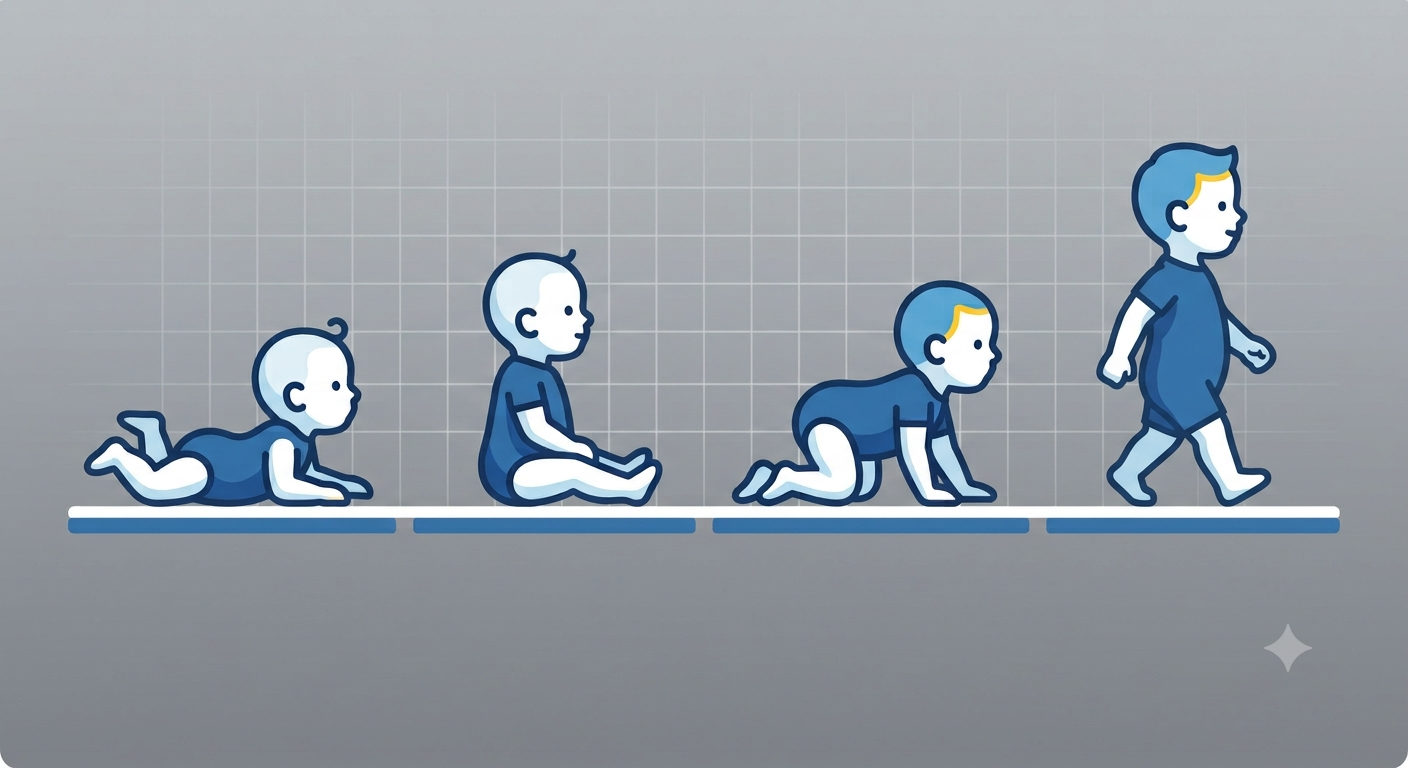
Our foundational research investigates how infants develop movement during the earliest months of life, focusing on the natural emergence, refinement, and variability of spontaneous motor behaviors.
We examine:
- Spontaneous limb movements — Before infants can intentionally act, they produce rich patterns of kicking, reaching, and arm–leg coordination. These spontaneous movements reveal how the nervous system organizes itself.
- Movement quantity and quality — Healthy infants show diverse movement patterns. Reduced variability can indicate neuromotor risk, especially in preterm infants.
- Early motor biomarkers — Subtle features of movement (e.g., symmetry, frequency, smoothness) can predict later motor, cognitive, and language outcomes.
We aim to understand how infants learn to move and why early motor patterns matter for long‑term development.
Portable Technologies for Measuring Infant Movement
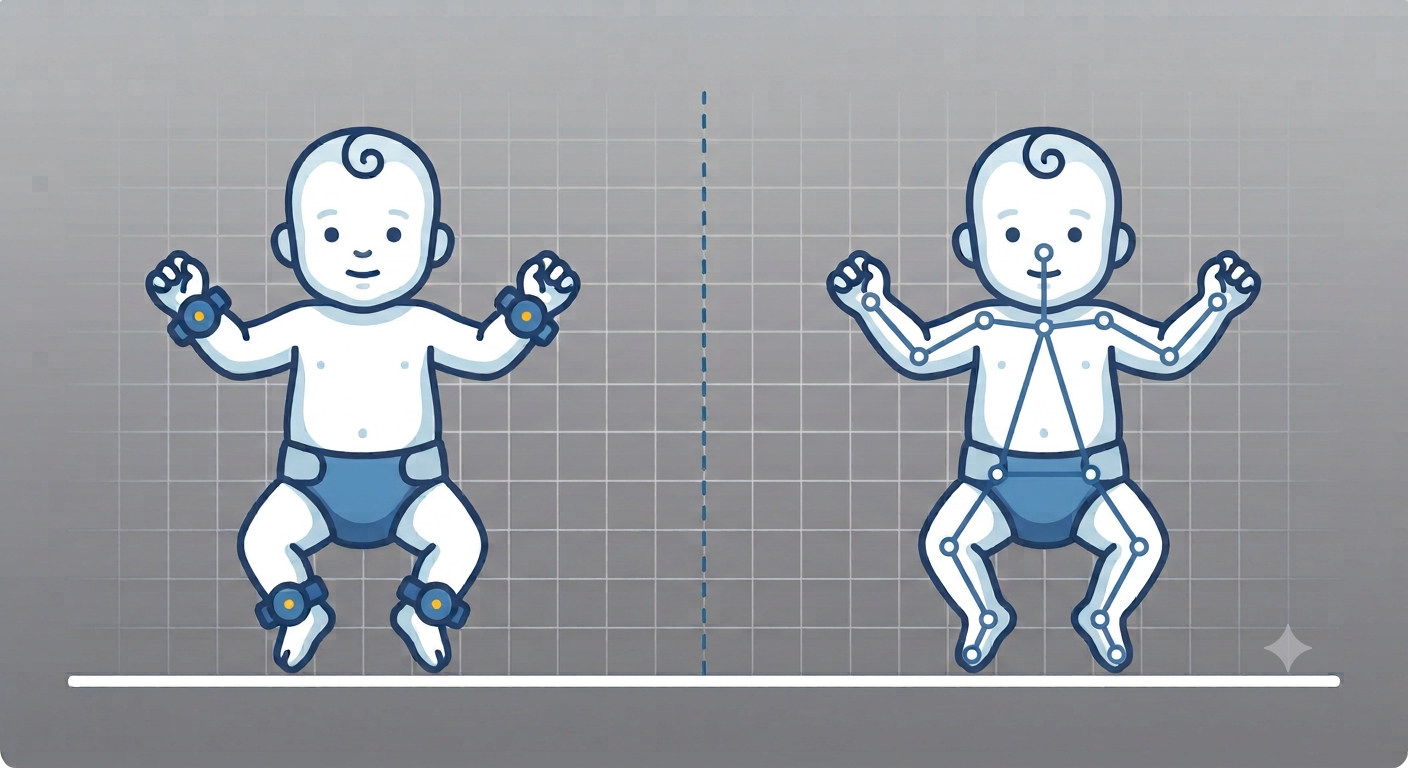
INEST Lab uses portable technologies to quantify infant motor development and explore biomarkers for developmental disabilities.
We addresses limitations of traditional assessments, which rely on short clinical observations. Our work includes:
- Using wearable sensors to quantify and qualify infant movement patterns
- Using motion capture system (marker-based 3D motion capture and markerless computer-vision) to quantify and qualify infant movement patterns
We aim to monitor infants' natural behaviors within their home environment, providing ecologically valid assessments while reducing geographic barriers to accessing healthcare.
Neuro-mechanism of Motor Development
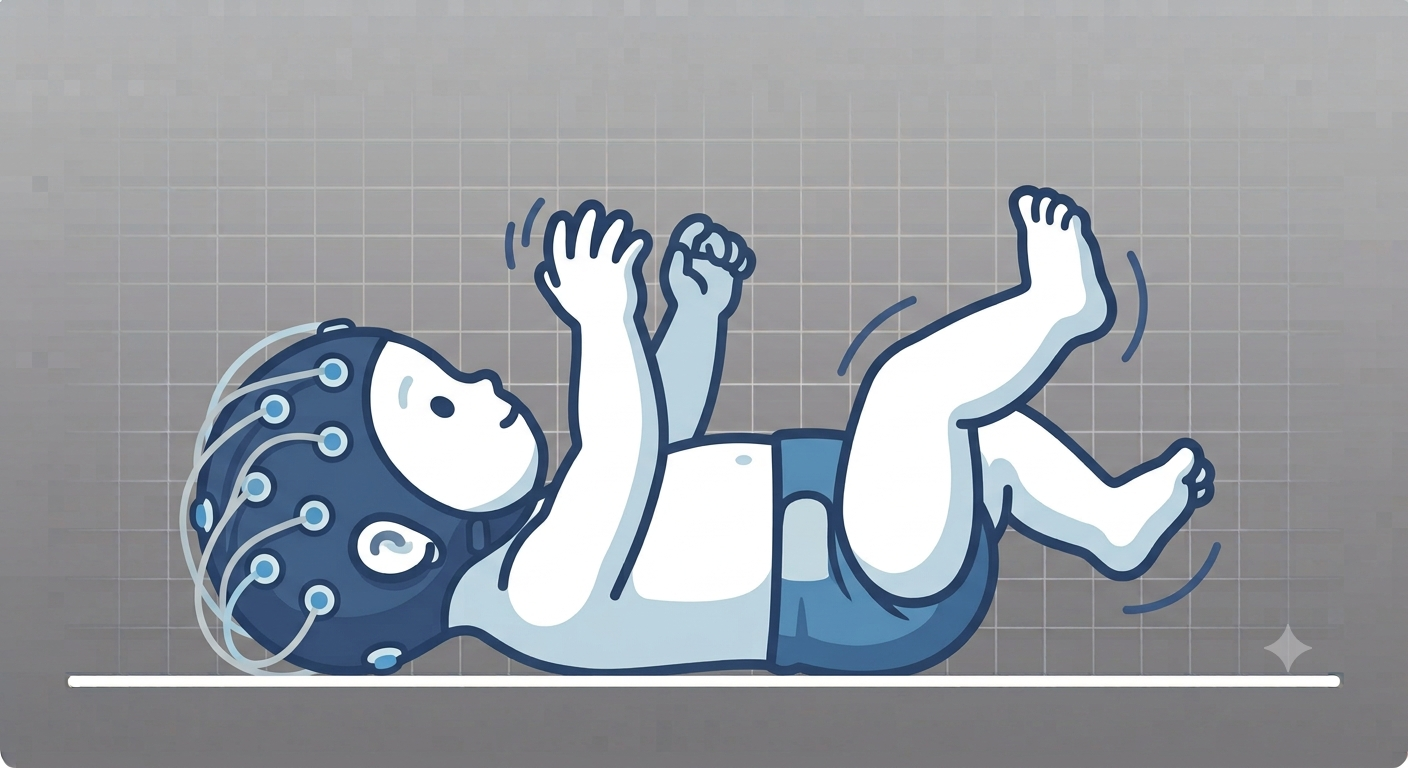
INEST lab investigates the relationship between early brain activity and motor development, and develops portable, objective, and scalable tools to identify neuromotor delays early on.
Our work includes:
- Systematic reviews identifying gaps in existing assessment methods
- Using neuroimaging tools (e.g., EEG) to understand infant brain activities
- Predict developmental outcomes with early brain activities
Early identification is crucial: the earlier a delay is detected, the more effective interventions can be. We aim to make early screening more accurate, accessible, and equitable.
Early Intervention
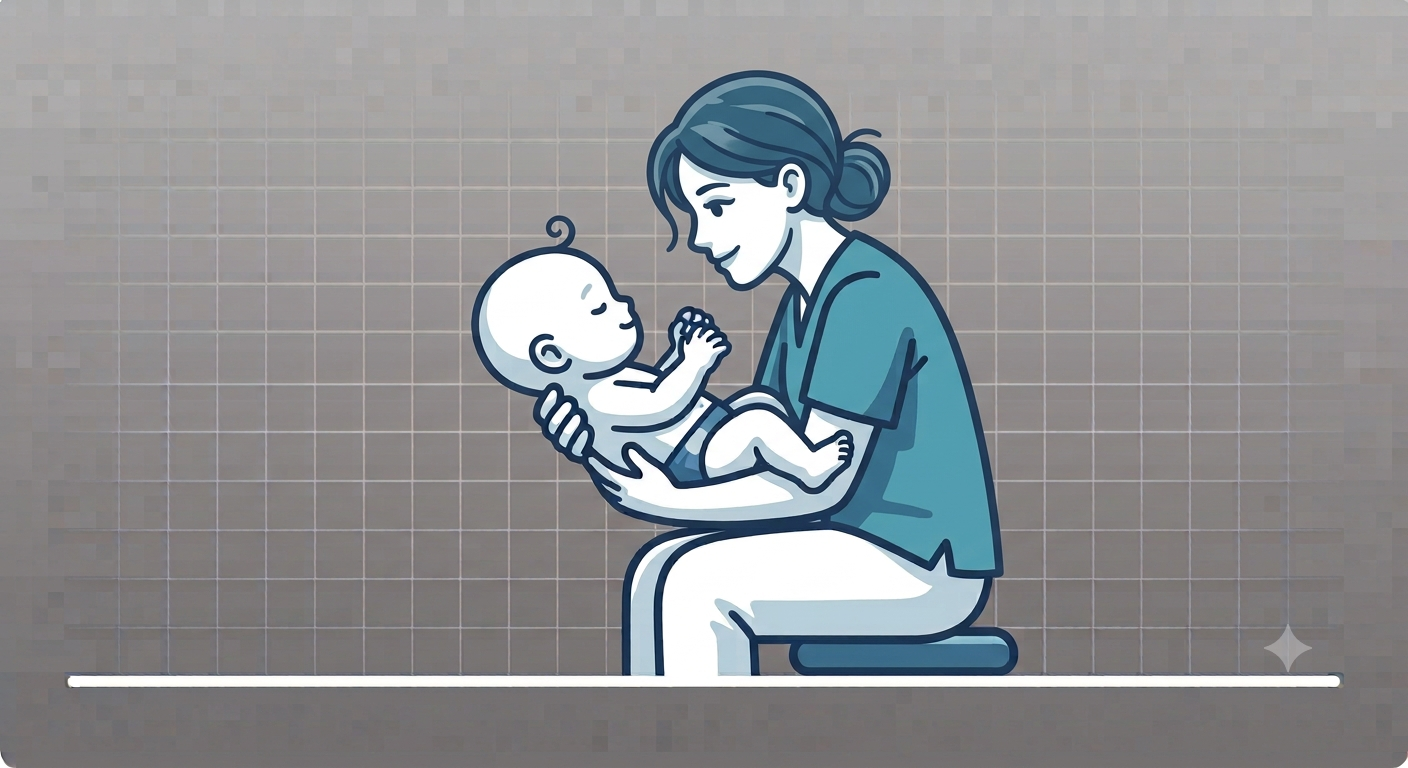
We aim to investigate optimal early intervention strategies for infants at risk of neuromotor impairment.
Currently no ongoing research in this direction.
Laboratory Collaborators
Dr. Chang Liu, University of Illinois Chicago
Dr. Haomiao Ni, University of Memphis
Dr. Colleen Peyton, Northwestern University
Dr. Beth Smith, Children's Hospital Los Angeles
Dr. Courtney Stevens, Willamette University
Dr. Erika Phelps Nishiguchi, OHSU Doernbecher Children's Hospital
Dr. Matthew Egalka, Salem Health