
About
Mission
About Us
The mission of the Infant Neuromotor Evaluation, Screening & Technology (INEST) Lab is to advance early neuromotor health by developing precise, accessible, and technology‑driven methods for evaluating infant motor development. The lab is dedicated to creating objective screening tools, wearable sensor systems, and evidence‑based interventions that allow clinicians and families to identify neuromotor risk earlier and support infants more effectively.
Through interdisciplinary collaboration, rigorous developmental science, and innovative engineering, the INEST Lab seeks to transform how infant motor behavior is measured, understood, and improved. Guided by Western University of Health Sciences’ humanistic commitment to enhancing quality of life, the lab aims to ensure that every infant—especially those at risk for neuromotor delay—has the strongest possible foundation for lifelong growth and well‑being.
Approach
Our Research Approach
Methodology
Our lab uses an interdisciplinary research approach that combines developmental assessments with innovative technologies, including portable EEG, computer vision, wearable sensors, and motion analysis, to study infant motor development. We integrate objective measurements of movement and brain activity with advanced data analysis to better understand typical and atypical development. Our goal is to develop accessible tools that enable earlier identification of developmental concerns and support timely intervention to improve outcomes for infants and their families.
Lab Protocol
Our laboratory follows standardized protocols for infant research to ensure participant safety, data quality, and reproducibility. All studies are approved by the Institutional Review Board (IRB), and written informed consent is obtained from parents or legal guardians before participation. Researchers are trained in infant handling, developmental assessments, EEG acquisition, motion capture, and standardized data collection procedures. Data are collected using consistent protocols across participants, followed by rigorous quality control, secure de-identification, and storage in compliance with institutional and federal research guidelines. These procedures help ensure high-quality, reliable data while providing a safe and comfortable research experience for infants and their families.
Locations
Address
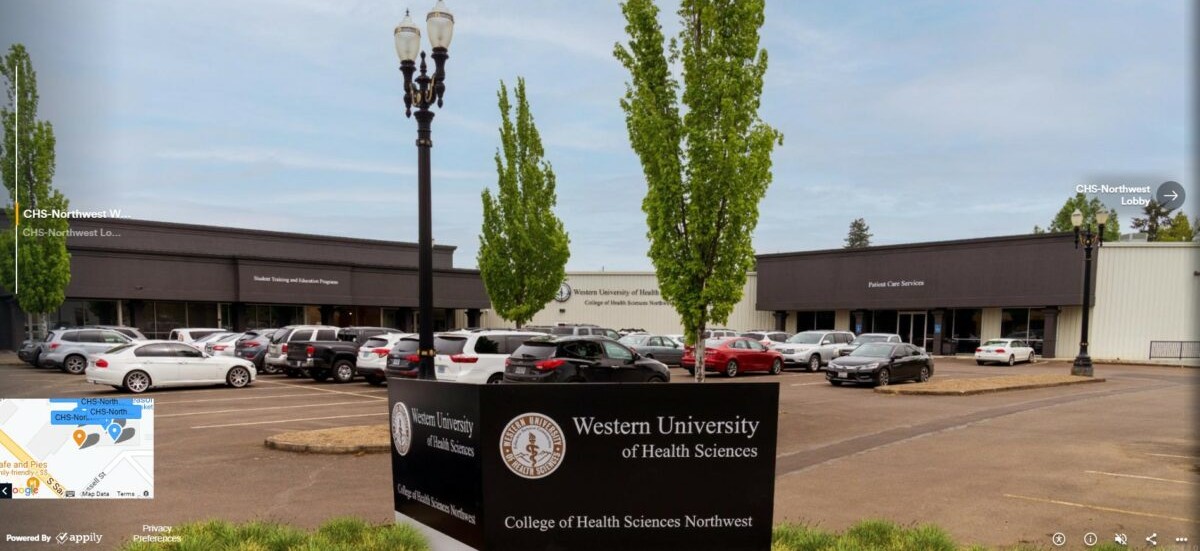
Department of Physical Therapy Education – Oregon
College of Health Sciences Northwest
Western University of Health Sciences
2665 S. Santiam Hwy, Lebanon, OR 97355